Building resilience
in an era of uncertainty


Markets are entering a new risk era. At Citywire’s BNY Investments roundtable, advisers discussed how to build resilient portfolios and help clients stay invested.

Jennifer Hill
Investment writer
For much of the post-financial crisis era, investors operated in an unusually supportive environment shaped by falling interest rates, accommodative central banks and strong asset returns. But this period was more the exception than the rule.
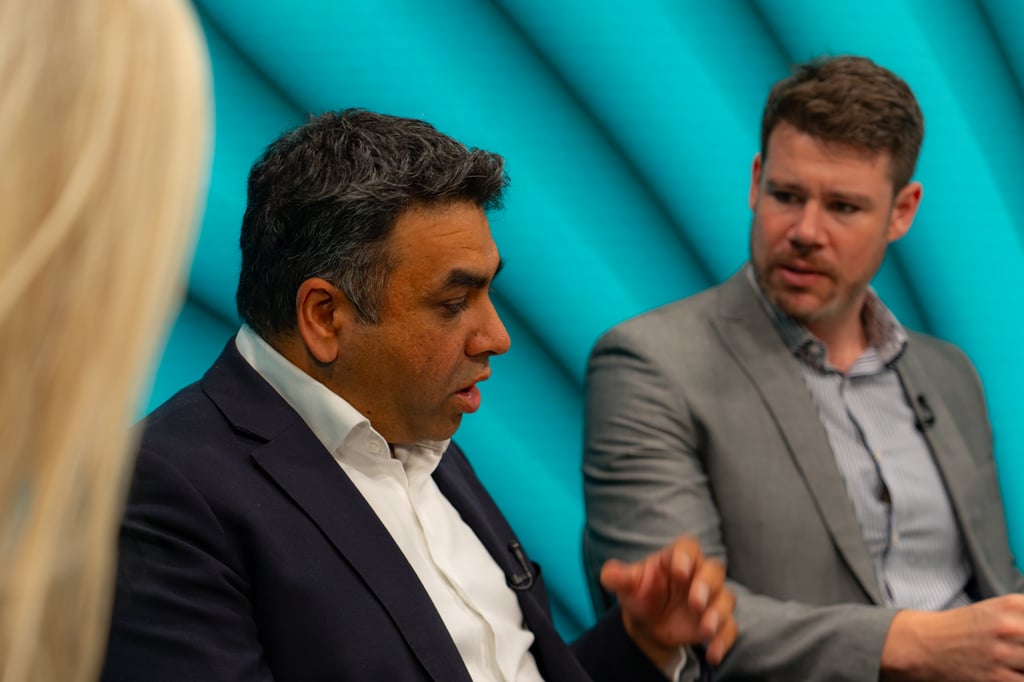
‘The last 15 years are the anomaly,’ said Bhavin Shah, lead portfolio manager of the FutureLegacy range at BNY Investments. ‘We’re now in a regime that is being governed by more fiscal interference from governments, higher costs of debt and deglobalisation trends.’
While some sources of volatility may prove cyclical, others represent a more fundamental shift. Higher rates, geopolitical uncertainty and faster-moving information flows are changing how investors experience markets.
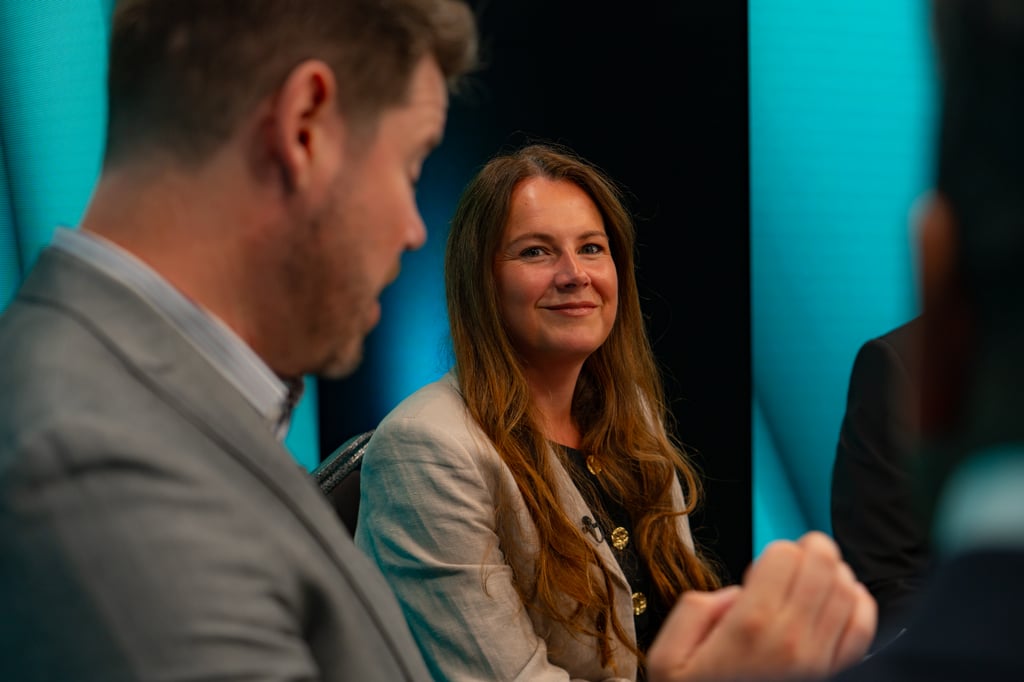
‘Uncertainty is the bit that’s structural now,’ said Charlotte Watson, chief investment officer at Attivo Investments. ‘That is the bit that makes clients nervous in their investment journeys.’
The challenge is not simply that markets fall, but that investors are navigating an environment where the forces that previously helped cushion markets – namely the scale of central bank intervention seen after the global financial crisis and during the pandemic – may not be as dependable.
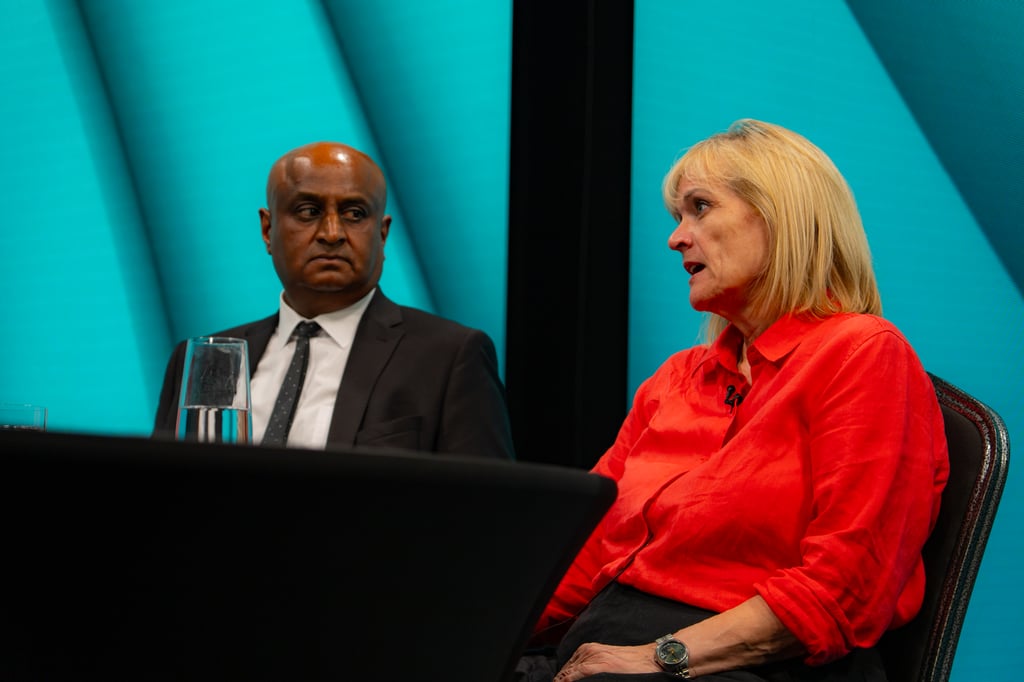
‘Markets have always fallen – that is not new to clients,’ said Zuzana Bundova, an adviser at Barnes & Sherwood Professional Advisers. ‘What has changed is that they can no longer rely on the traditional mechanism of central bank intervention.’
In practice, that means helping clients navigate a world where volatility may be less of a temporary disruption and more a feature of the investment journey.
Redefining risk beyond volatility
The biggest shift may be in how risk itself is defined. Risk has often been reduced to a profile number or a measure of volatility, but this misses a more important question: what risk does a client need to take to achieve their objectives?
‘Risk is not a number, it’s not volatility – it’s how the client feels,’ Watson said. ‘What’s their goal, what’s the likelihood they’re going to achieve it? The greatest risk to a client is failing to achieve the outcome they’re investing for.’
Watson argued that age alone is becoming a less useful guide when assessing retirement risk.
‘You can have two clients who are both 75. One is going to be drawing an income for the next ten years; one is preserving wealth to pass on to the next generation. That’s entirely different,’ she said. ‘I think age is less of a concept anymore.’
For Vanessa Barnes, founder and managing partner at Hannay Wealth, the industry also needs to rethink how it talks about risk, focusing not just on what clients might lose, but what they could miss by taking too little risk.
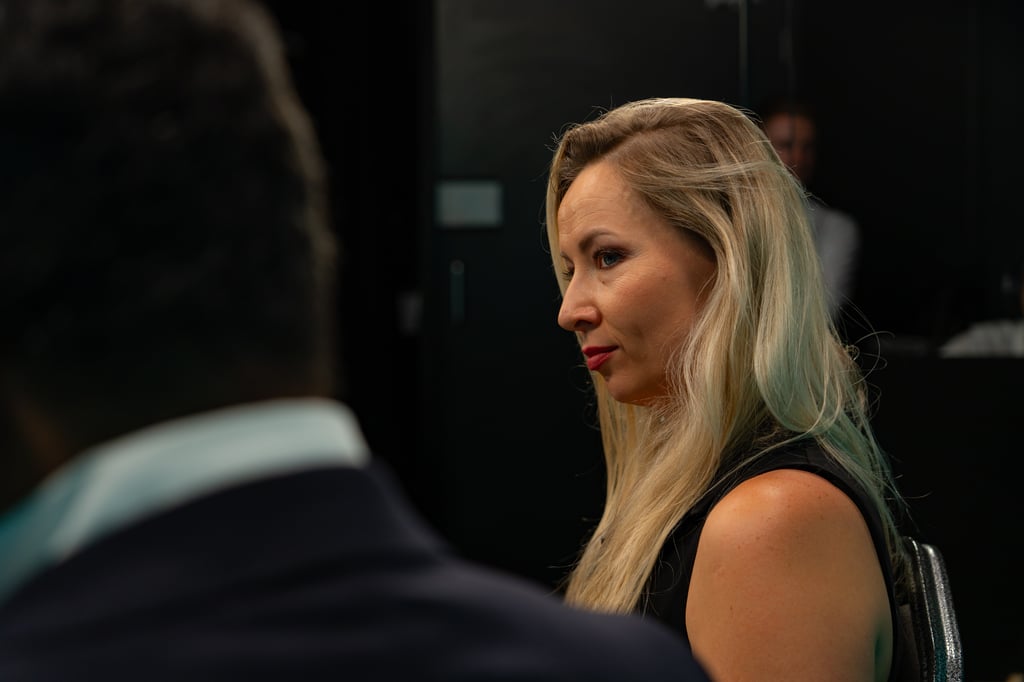
‘We’ve misused the word risk, and that’s the problem,’ she said. ‘We tend to focus on equity risk, but there are different types of risk. There’s longevity risk, there’s opportunity cost risk. We don’t connect often enough the level of risk being taken with the benefit it is providing.’

Building resilient portfolios and clients
Resilience, panellists argued, is not just a portfolio characteristic. It is also about helping clients understand what they own and remain invested when markets become uncomfortable.
For Dharmendra Vekaria, fund analyst at Alka Financial Services, that means harnessing the broader range of tools now available.
‘There are more and more options available now, whether that’s different equity approaches, infrastructure or other strategies. We try to build a good mix to avoid concentration risk and sector risk.’
Understanding what sits beneath headline allocations is becoming increasingly important, with portfolio resilience depending not just on how assets are spread but on the underlying risks they carry.
‘Diversification is very misunderstood,’ Shah said. ‘Moving from the US into emerging markets doesn’t necessarily provide diversification because what’s driving emerging markets is the South Korean index. It’s all part of the AI trade.’
But resilience also depends on the client themselves. As Bundova noted, even the strongest portfolio can be undermined if a client reacts emotionally to short-term market movements.
‘It’s not just about building a strong portfolio, but building a resilient client, because even the best portfolio will not work if the client panics and makes a radical decision,’ she said.
That resilience starts with educating clients about the risks they are taking and how each part of their portfolio is designed to support their goals.