The new reality
of risk


The biggest risk in retirement may no longer be market volatility. Advisers explain how longer lifespans, behavioural finance and changing portfolio design are challenging what risk means in practice.

Jennifer Hill
Investment writer
For decades, retirement planning has been guided by a simple principle: as clients get older, they should take less risk. Yet a growing number of advisers are now challenging not just the conclusion, but the assumption behind it.
In a world of longer retirements and persistent inflation, what feels safer may not actually be safer.
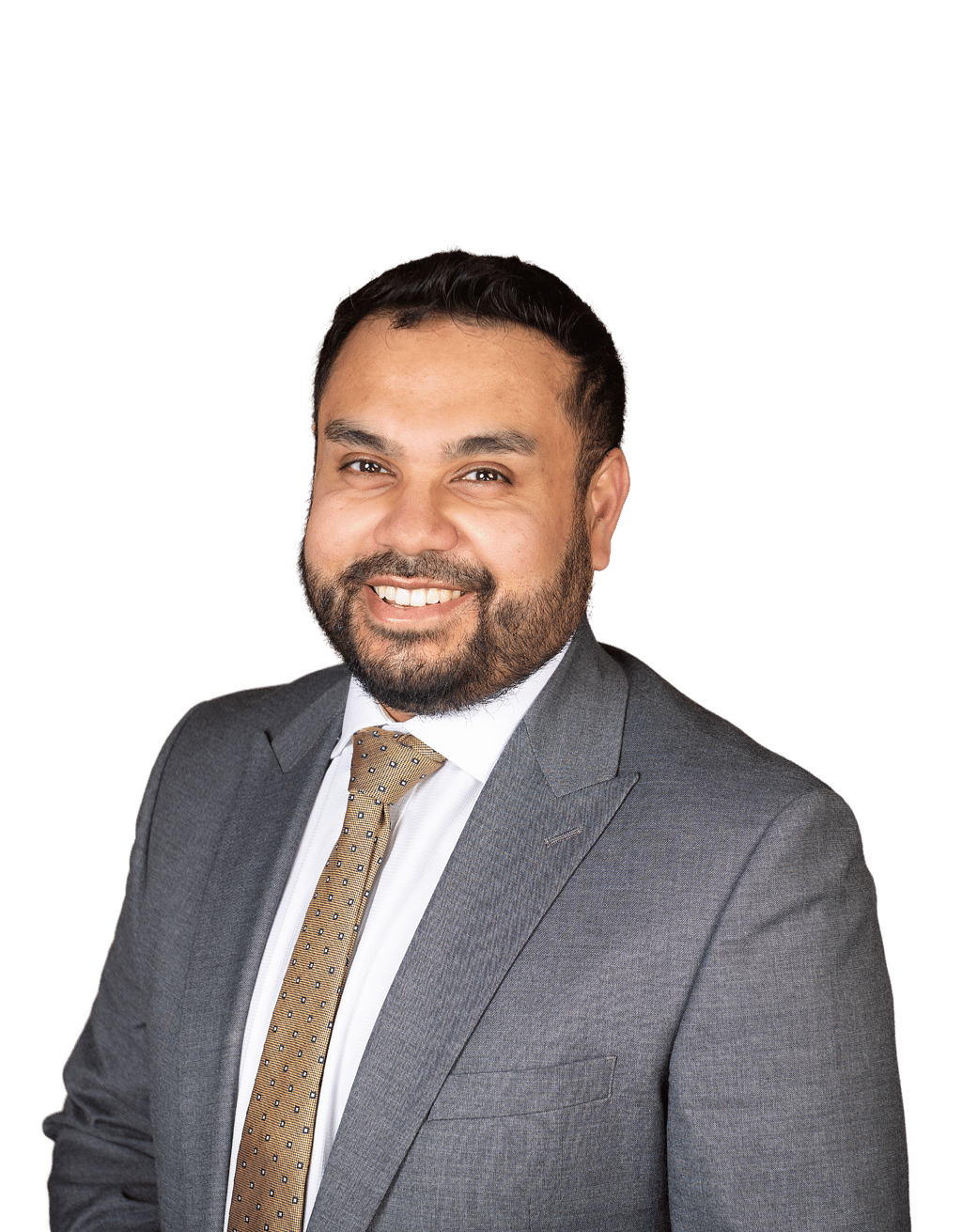
‘Derisking in retirement can itself become the risk,’ said Ben Brown, chartered financial planner at First Wealth.
The advice firm has modelled sequencing risk using Timeline software and 111 years of historical market data, covering hundreds of scenarios including major crashes, prolonged bear markets and periods of elevated inflation.
Derisking in retirement can itself become the risk
Ben Brown
Chartered financial planner at First Wealth

At a 4% withdrawal rate over 40 years, a cautious P20 portfolio sustained income in just 30% of scenarios, compared with 76% for a growth-oriented P90 portfolio.
‘The conclusion is uncomfortable but clear,’ Brown said. ‘For many clients, derisking in retirement doesn’t reduce risk – it creates a different, less visible one.’
That tension reflects a broader industry debate over what risk means.
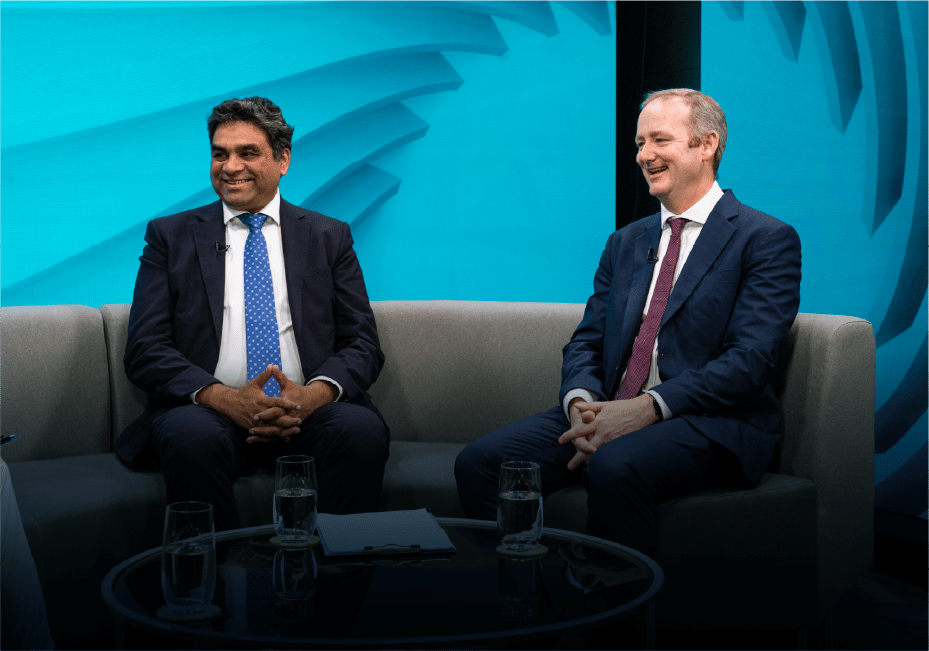
‘The industry has done a terrible job over the years of defining what risk actually is,’ said Alan Smith, chief executive of Capital Partners. ‘For a couple about to enter a potentially 30-year retirement – statistically, at age 60 one of them will still be alive at age 90 – the real risk is their investments not keeping pace with inflation.’
The industry has done a terrible job over the years of defining what risk actually is
Alan Smith
Chief executive of Capital Partners
Understanding risk through behaviour
Traditional risk profiling is increasingly being seen as too narrow to reflect how people make decisions.
‘For decades, our profession has treated risk as the result of a standard risk analysis questionnaire,’ said Lucie Bloomfield, client experience lead at Equilibrium. ‘We have tended to treat it as a box-ticking exercise: assign a score, match it to a portfolio and move on.
‘But risk tolerance only tells part of the story. It doesn’t capture how someone behaves or whether they are naturally a spender or a saver - one of the most basic, but most revealing, financial planning behaviours.’
Equilibrium now assesses five behavioural dimensions. Risk tolerance still sits at the core – a measure of a client’s appetite for investment risk. But alongside it, the firm considers four further behavioural signals: how much reassurance and ongoing support a client needs from their adviser; whether they are naturally a spender or a saver; their motivation to build wealth over time; and how effectively they recognise and manage emotional responses to investing.
‘A risk tolerance score tells you how to build a portfolio, but for a truly personalised approach, the other four scores tell you how to serve the person who invests in it,’ Bloomfield added.
Risk tolerance doesn’t capture how someone behaves or whether they are naturally a spender or a saver
Lucie Bloomfield
Client experience lead at Equilibrium
Colmore Partners focuses on two measures: a client’s capacity for loss and their emotional response to uncertainty, using the Oxford Risk framework to explore how they may react in real situations.
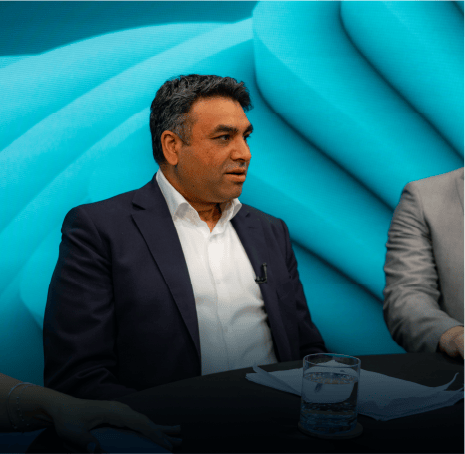
‘For example, how would a client feel if markets fell by 10-20% within a short period?’ asked certified financial planner Imran Kalam. ‘These are not abstract questions. They help reveal genuine behavioural responses.
‘By linking a client’s knowledge and experience with their emotional reactions, we can guide them towards decisions that feel both informed and manageable.’
Mihir Choughule, chartered wealth manager at Tideway Wealth, said this is increasingly shaped by clients’ lived experience of markets rather than theoretical assumptions.
‘Volatility has increased markedly in the years since Covid,’ he said. ‘It seems like wild swings – both positive and negative – are increasingly commonplace.
‘This has given clients a clearer understanding of how they would feel and behave if their investments fell significantly. It’s different to a theoretical exercise where you ask the same question, but the client has no real reference point for what that experience is like.’

It seems like wild swings – both positive and negative – are increasingly commonplace
Mihir Choughule
Chartered wealth manager at Tideway Wealth
Translating risk into portfolios
For most clients, the new reality of risk means higher allocations to growth assets, maintained for longer. At Capital, this has turned traditional descriptors of asset classes on their head.
‘We don’t describe equities as high-risk assets but explain that cash and bonds are riskier in terms of their inability to deliver above-inflation returns over time,’ Smith said.
That shift is reframing portfolios away from asset class definitions and towards personal financial outcomes.
First Wealth frames risk around sustainability: what does your income need to survive? Typical answers centre on a monthly income target, reliable income for essential spending, flexibility to spend more in early retirement, leaving something for family, and avoiding forced asset sales at the wrong time.
As portfolios stay invested in growth assets for longer, advisers say the challenge increasingly lies in managing how clients feel about that exposure.
‘The adviser’s role is to hold that tension between what feels safe and what the evidence suggests,’ Brown said.
‘Good portfolio construction, underpinned by robust governance, gives clients both the appropriate exposure and the confidence to stay invested. That combination, more than any single asset allocation, is what drives sustainable outcomes.’
As this approach becomes more established, advisers say static models are under increasing strain.
‘Significant life events, shifts in personal circumstances or changes in financial goals all influence how a client feels about investing,’ Kalam said. ‘This means our role is not fixed but ongoing. We must continue to listen, adapt and respond with care, ensuring that each decision reflects both financial reality and human experience.’
We must continue to listen, adapt and respond with care
Imran Kalam
Certified financial planner at Colmore Partners